Pan Daijing's Immersive Installation Opens in Rome
A new installation by Chinese artist Pan Daijing invites visitors to explore reading as an immersive journey through silence and self-discovery. Presented on the evening of 2 July in the St Pius X Hall as part of the Di…
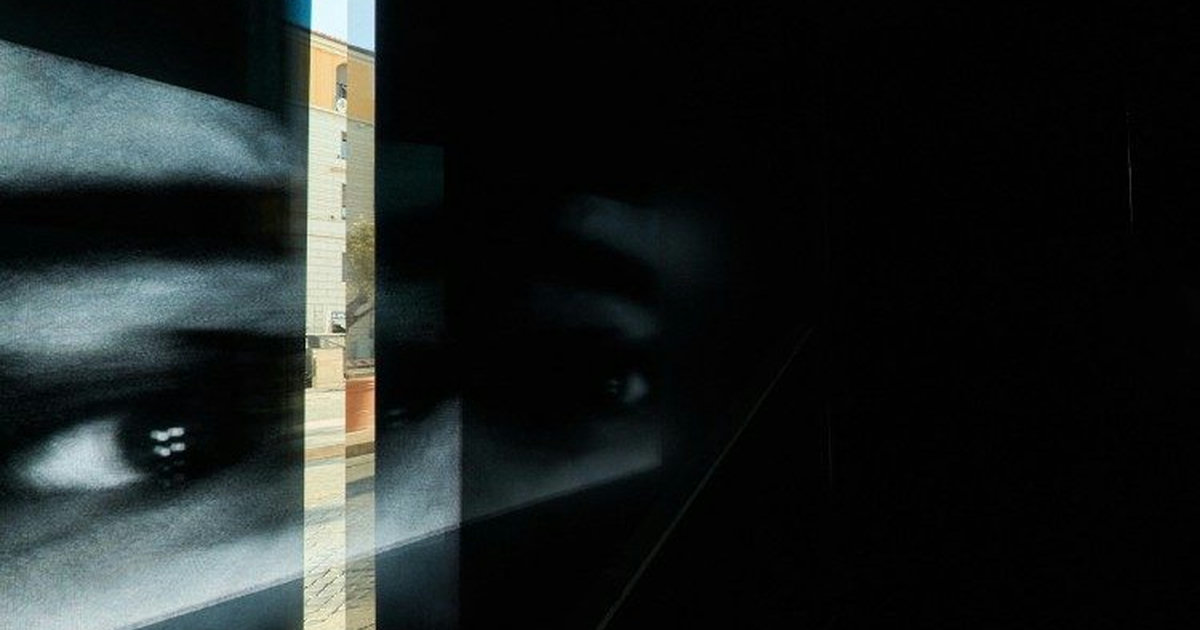
A new installation by Chinese artist Pan Daijing invites visitors to explore reading as an immersive journey through silence and self-discovery. Presented on the evening of 2 July in the St Pius X Hall as part of the Dicastery for Culture and Education's Reading, Again series at Conciliazione 5, the exhibition was curated by Donatien Grau.
During the presentation, Cardinal José Tolentino de Mendonça, the Prefect of the Dicastery, described Daijing's work as an invitation to engage with our emotions. He emphasized that it transforms reading into a profoundly human experience, requiring a connection beyond just understanding words. The Cardinal indicated that this approach compels us to remain present and allows for deeper emotional engagement with literature.
The exhibition space, which is visible to the public at all times, serves as more than a traditional gallery; it acts as a book into which attendees can immerse themselves. Daijing highlighted this aspect of her work, stating that it encourages individuals to be curious about themselves and to explore perceptions that are often obscured by the noise of the world.
As the installation unfolds, it challenges viewers to find silence within themselves. Daijing differentiates silence from stillness, presenting it instead as a catalyst for movement and growth. The artist’s ongoing exploration of self-discovery mirrors the cave allegory of Plato, where confinement gives rise to the potential for deeper understanding.
Cardinal Tolentino de Mendonça remarked that Pan has transformed the Conciliazione 5 gallery into a cave, a place where knowledge is tested. This signifies a space of reflection and memory, akin to experiences described by St. Augustine. He articulated that Daijing’s artistic practice allows darkness to become a source of knowledge, housing both a resource for the soul and the potential for discovery.
Notably, the Cardinal applauded the courage shown by both Daijing and Grau for their commitment to allowing the audience their own interpretations, thus creating a reciprocal space where art does not impose meaning but invites individual journeys of reflection.
Throughout her career, Daijing has integrated visual art, music, sound, film, and performance in her projects, believing art is a lived experience and a path of discovery. Grau, the curator, highlighted that her art transcends traditional boundaries and represents life as a rich tapestry of experiences.
The installation at Conciliazione 5 compels the audience to engage actively, discerning deeper meanings while navigating through both sight and sound. In reflecting on the experience of reading in its many forms, Daijing affirmed that it encompasses understanding not only literature but also silence and unexpressed thoughts, recognizing the emotions tied to them.
As such, the installation fosters a relationship between the audience and the artist, allowing for a shared experience that extends beyond the conventional boundaries of art. The dialogue initiated illustrates a profound engagement with life itself, emphasizing the significance of connection in the act of creation.


